
Decoding the Martini: How to Order the Cocktail
Few cocktails carry the reputation and sophistication of a martini. Hollywood legends have raised a glass to the cocktail, from Frank Sinatra to James Bond, but ordering one can feel like you’re speaking a different language. Before you can master your martini order, you’ll need to know your spirit of choice, and you’ll need to decipher terms like shaken or stirred and dirty, dry, or perfect.
Choose Your Spirit: Gin or Vodka
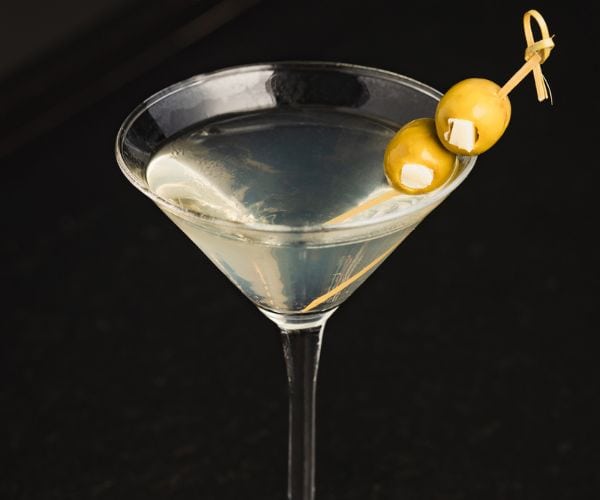
A classic martini is made with gin and dry vermouth and is often served chilled with an olive, lemon twist, or both. The cocktail can trace its origins to the mid-1800s, which makes gin its original spirit. That doesn’t necessarily make gin the star of the show; vodka has also been the primary spirit in martinis, with roots tracing back to the early 1930s.
Gin is noted for its botanical and herbal flavor profile, enhanced by its inclusion of juniper berries. The spirit can change depending on how it’s distilled, so many drinkers have a preferred brand. Gin pairs well with vermouth because both include botanicals.
Vodka tends to have a clean and crisp flavor profile, and many people choose it because they don’t like the taste of gin. A vodka martini is often considered a smoother drink because the vermouth softens the alcohol burn.
Vermouth: Wet, Dry, or Perfect
Martinis are made with dry vermouth — an aromatised, fortified wine infused with botanicals. It has a lower alcohol content than gin or vodka, so if you’re asking for a dry martini, you’re requesting less vermouth.
Requesting a wet martini means you want more vermouth, which makes the drink sweeter and softer while lowering its overall alcohol volume.
Alternately, some people prefer to order their martini “perfect.” This means splitting the vermouth portion equally between dry and sweet vermouth. The addition of the red sweet vermouth gives the drink an amber hue and a slightly smoother and sweeter flavor profile.
Shaken or Stirred
When you hear people talking about martinis, you often hear the question, “Shaken or stirred?” Drinking a martini can be a multi-sensory experience, and the way the cocktail is made can change its feel, taste, and aroma.
When a martini is stirred, the bartender puts the ingredients in a pitcher, swirls them with ice, then strains the drink before serving it. This chills the martini, keeps the liquid clear, and helps it feel smoother when you drink it. Gin martinis are often stirred because this method preserves the spirit’s flavors and aromas.
To serve a shaken martini, the bartender puts the ingredients into a shaker with ice, shakes it, and strains the liquid. The process chills the martini faster than stirring, which is preferred if you want an ice-cold cocktail, but it adds more water. This can make the cocktail smoother, but it won’t protect the flavor profiles found in gin.
Make It Dirty
A dirty martini adds olive brine to the mix, giving the drink a salty twist. It gets its name because the brine makes the liquid look cloudy. People who like savory drinks and snacks often enjoy this martini variation. If you really like olives, you can order your drink extra dirty for more olive brine.
Garnishes & Glasses
With a Twist — The bartender will add lemon zest by serving the drink with a strip of lemon peel and rubbing it along the rim.
With an Olive — If you’d like your drink to be served with an olive (or two) on a toothpick, just ask.
Straight Up — This means you’d like your martini chilled with ice, but strained so no ice is served with the drink. The martini is served in the iconic, V-shaped stemmed cocktail glass.
On the Rocks — A martini on the rocks is served in a tumbler over ice cubes. This will keep the drink cold for longer and is good for sipping, but the water can dilute the cocktail as it melts.
Make It Skate — Asking to make your martini “skate” will instruct the bartender to vigorously shake the cocktail, leaving shards of ice in the drink. Generally, the martini is served in a V-Shaped glass with a thin layer of ice on the top.
Is a Negroni a Martini?
No, a negroni is not a martini, but it’s related. Both cocktails use gin and vermouth, but a negroni calls for sweet vermouth (opposed to dry vermouth in a classic martini) and Campari.
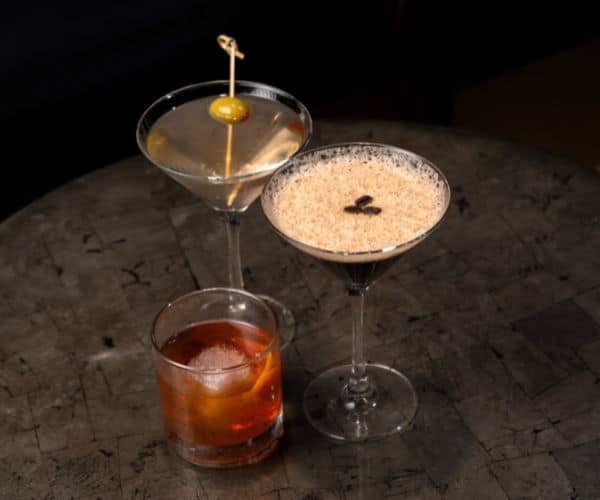
Seagar’s Negroni sticks to this recipe, with gin, Campari, sweet vermouth with an essence of orange peel. It makes the perfect drink to accompany your appetizers.
Beyond the Basics
The classic gin and vodka martinis may be the standards, but many variations take the cocktail to the next level. Sip on one of Seagar’s indulgent offerings during your next meal, like:
- Golden Martini, made with fresh pineapple-infused vodka and garnished with dehydrated pineapple
- Key Lime Martini, made with vanilla vodka, Liquor 43, lime juice, pineapple juice, and a graham cracker rim.
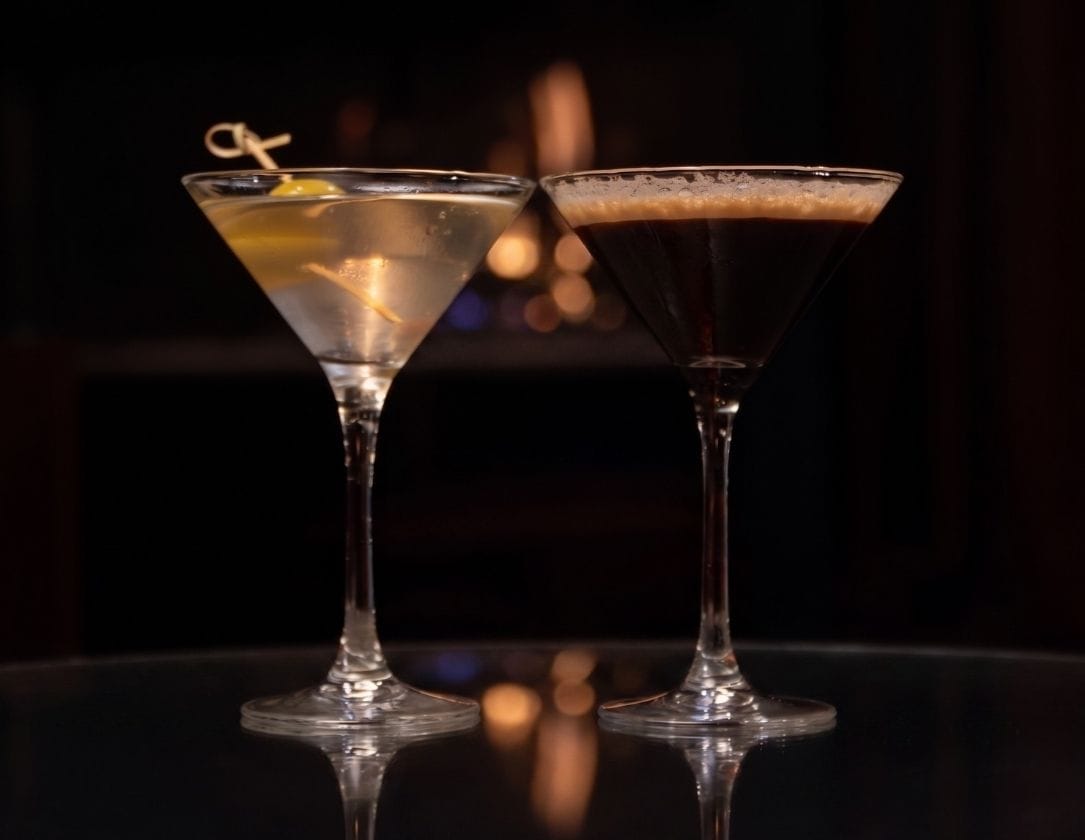
- You can also end the evening with an Espresso Martini, made with vodka, coffee liqueur, espresso, and a touch of simple syrup.
You Might Also Be Interested In...
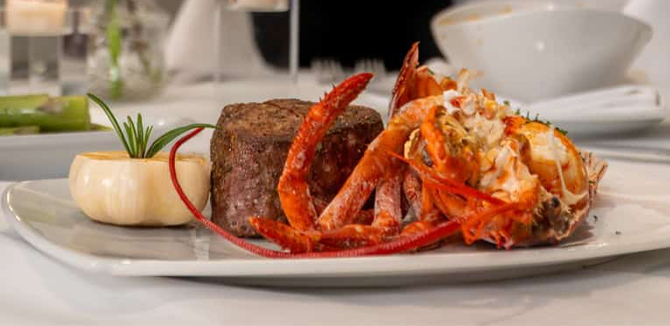
Seagar’s Prime Steaks & Seafood: AAA Four-Diamond Dining Excellence



Located at Hilton Sandestin Beach Golf Resort & Spa
4000 Sandestin Blvd. South
Miramar Beach, Florida 32550
P:1 850-622-1500
©2026 Seagar's Prime Steaks & Seafood. All Rights Reserved

Dinner Hours
Monday: Closed
Tuesday: 5:30pm – 9pm
Wednesday: 5:30pm – 9pm
Thursday: 5:30pm – 9pm
Friday: 5:30pm - 10pm
Saturday: 5:30pm - 10pm
Sunday: Closed
Lounge Hours
Monday: Closed
Tuesday: 5:30pm – 9pm
Wednesday: 5:30pm – 9pm
Thursday: 5:30pm – 9pm
Friday: 5:30pm - 10pm
Saturday: 5:30pm - 10pm
Sunday: Closed
Entertainment Piano Hours
Monday: Closed
Tuesday: 5:30pm – 9pm
Wednesday: 5:30pm – 9pm
Thursday: 5:30pm – 9pm
Friday: 5:30pm - 10pm
Saturday: 5:30pm - 10pm
Sunday: Closed